 Journal
Walk into a great restaurant and something happens before you've even looked at the menu. The light is warm. The room feels considered. You relax a little. That feeling isn't accidental — it's designed.
The best restaurant interiors don't announce themselves. They work quietly, shaping behaviour and mood without being noticed. Bad ones do the opposite: they distract, exhaust, or make guests feel like an afterthought.
Atmosphere as competitive advantage
In hospitality, the experience is the product. Food quality matters enormously — but so does everything surrounding it. Research consistently shows that guests spend more, stay longer, and return more frequently when they feel genuinely comfortable in a space.
That comfort is built through a combination of factors that most guests couldn't articulate: the acoustic properties of the room, the colour temperature of the light, the tactile quality of the surfaces they touch, the proportions of their seating.
"People will forget what you said, people will forget what you did, but people will never forget how you made them feel." The same is true of spaces.
Lighting: the most underestimated element
Of all the tools available to a restaurant designer, lighting is the most powerful and the most frequently misunderstood. It does several things simultaneously: it defines zones, directs attention, flatters skin tones, and sets emotional register.
- Warm colour temperatures (2700–3000K) create intimacy and comfort
- Accent lighting on tables increases perceived food quality
- Avoiding harsh overhead light prevents the "cafeteria effect"
- Dimmable systems allow the room to transition through service periods
A restaurant that looks stunning in a photographer's image can feel cold and institutional in person — usually because the lighting hasn't been considered beyond aesthetics.
Material selection and the tactile experience
Guests touch more than they realise. The weight of a menu card, the feel of a chair back, the texture of a wall beside a table — these micro-experiences accumulate into an overall impression of quality.
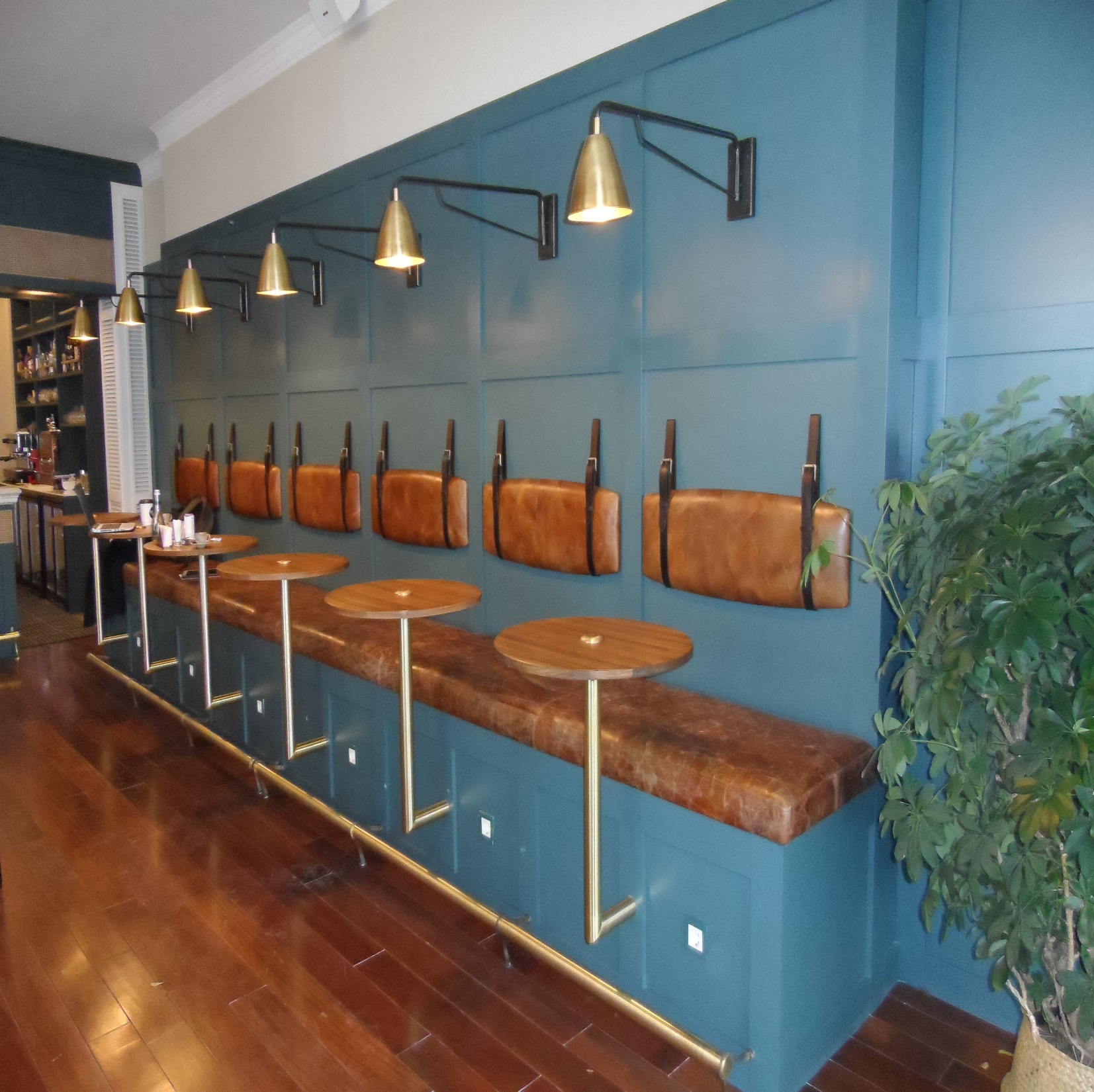
Materials also carry associations. Raw timber reads as natural and honest. Polished brass suggests a certain formality and permanence. Concrete can be cold or warm depending on how it's used. The skill lies in combining materials in a way that communicates a coherent identity without becoming a mood board exercise.
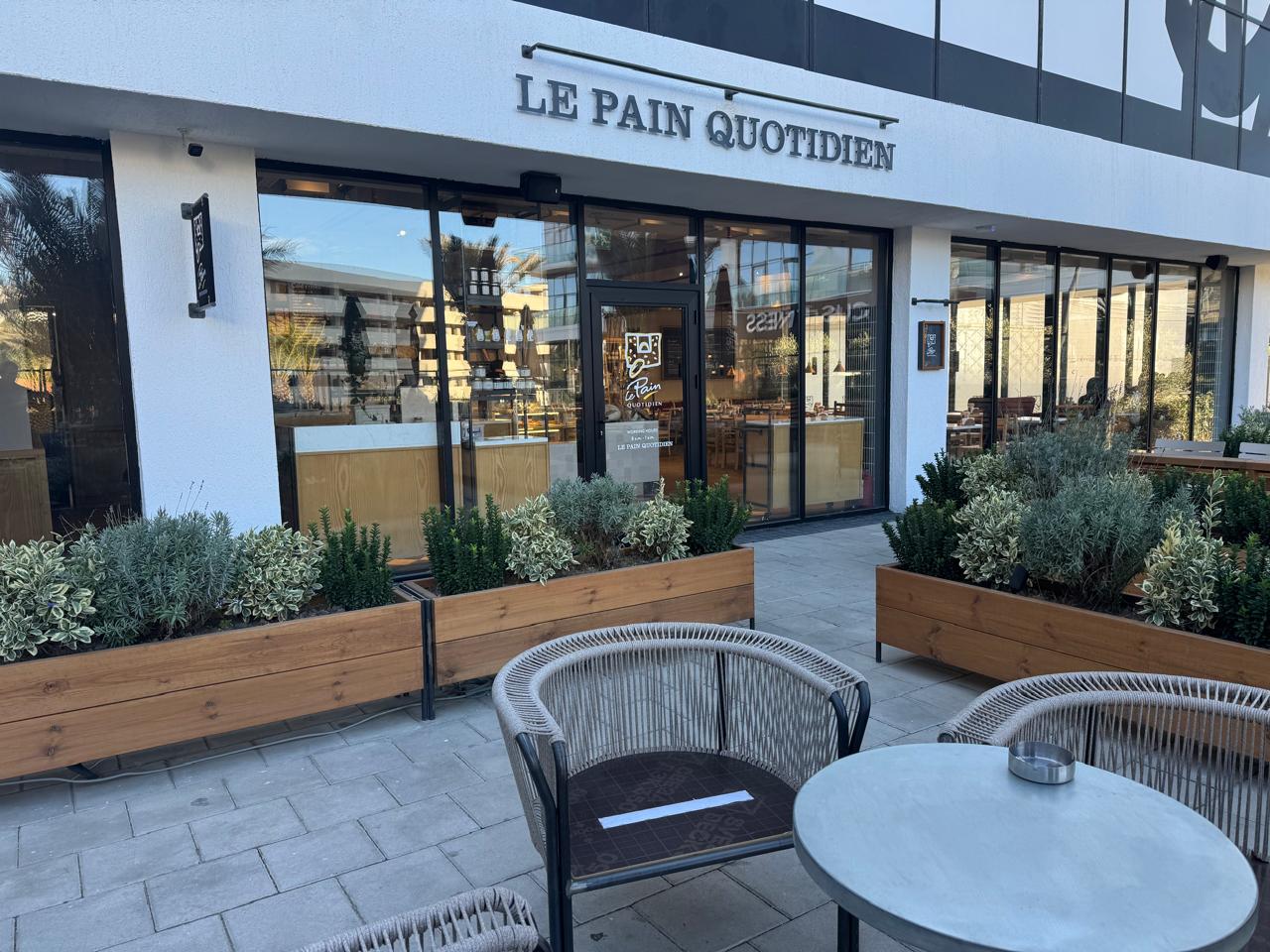
Le Pain Quotidien, Sea Breeze Resort — materials selected to reflect the brand's artisanal identity.
Spatial flow and dwell time
How guests move through a space — and where they settle — is a design decision, not a chance outcome. A well-planned floor layout creates a sense of arrival, guides guests toward their table, and gives the room enough visual complexity to reward attention without creating confusion.
Seating density is one of the most commercially sensitive decisions in restaurant design. Too tight and the experience suffers; too sparse and the room feels empty and awkward. The right balance depends on the brand's position and the typical service pace.
What this means in practice
At Konzept, every hospitality project begins with the same questions: What do you want guests to feel when they walk in? How long should they stay? What should they remember?
The answers inform every decision that follows — from the layout to the choice of pendant light. Good restaurant design isn't about aesthetics for their own sake. It's about creating an environment that supports the experience you're trying to deliver.
That's a commercial discipline, not just an artistic one. And it's one that pays dividends long after the fit-out is complete.